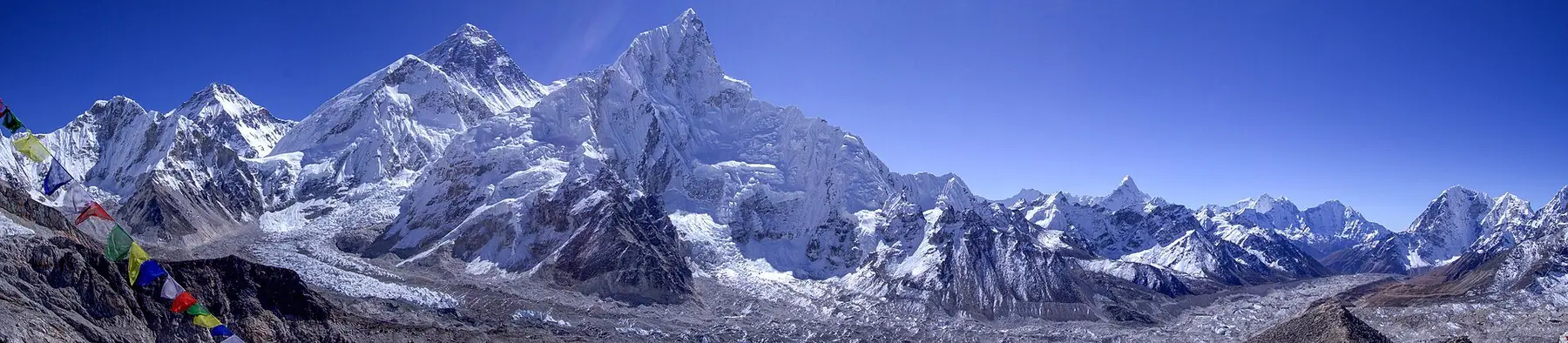
THE LAND ABOVE THE CLOUDS
NEPAL
The Land Above the Clouds
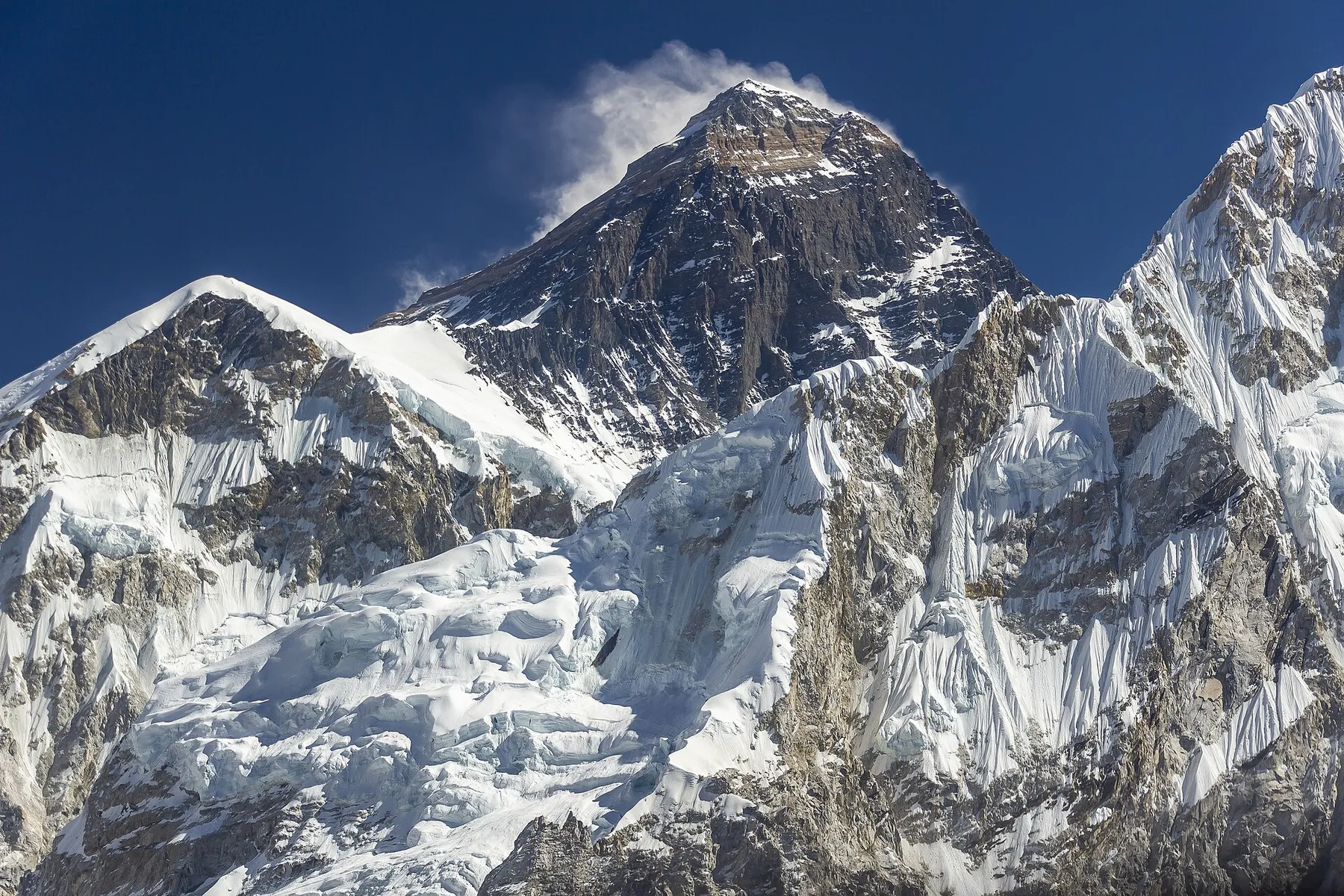
8,848 M
THE STORY
Nepal is not a destination. It is a vertical world — a country that begins in the steam of the Terai grasslands and ends at the highest point on Earth.
8 OF THE WORLD'S 14 HIGHEST PEAKS
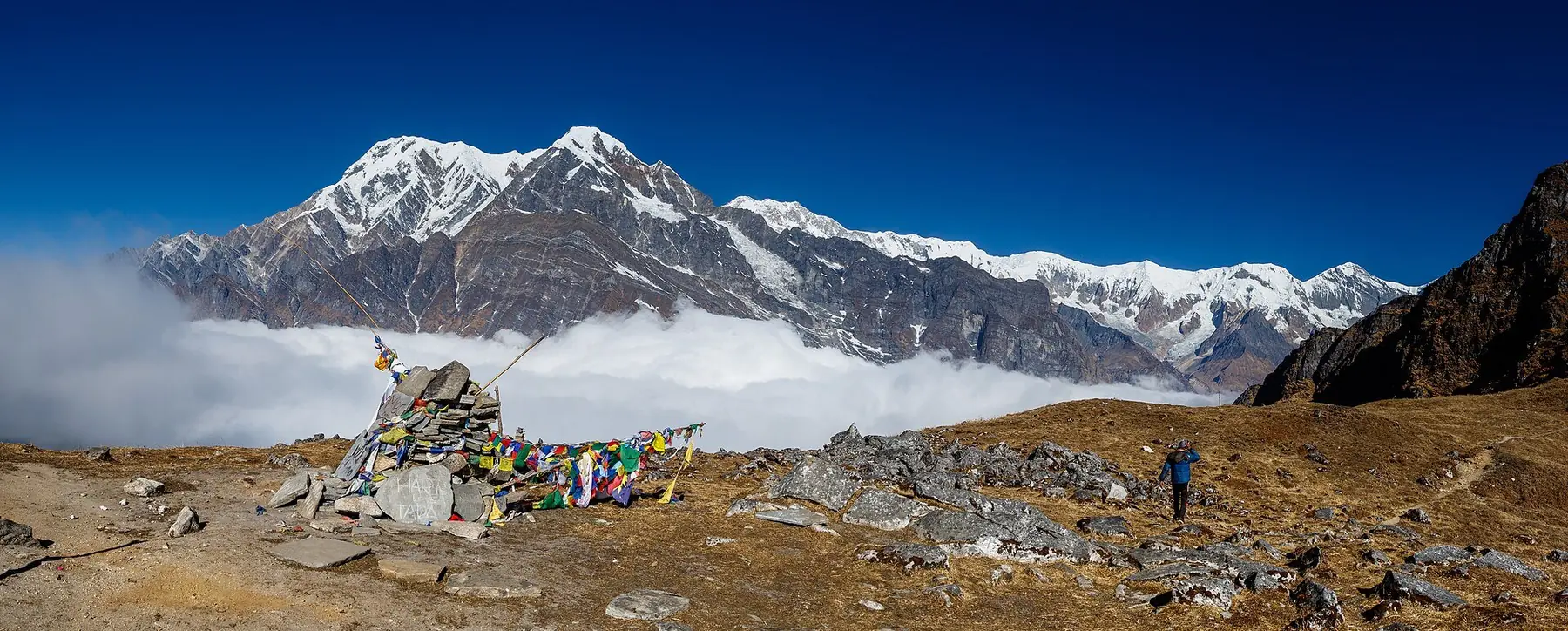
Between those two extremes live eight of the fourteen 8,000-metre peaks, the deepest river gorges on the planet, and a valley of brick-and-timber cities that have watched empires come and go for two thousand years.
This is where our company was born. It is the soul of everything we do.
Why go?
Because nowhere else compresses so much world into so little space. You can breakfast in a medieval square, lunch beside a subtropical river, and stand above the clouds by evening. Nepal changes the scale of a person.
What makes it different?
The Himalaya are the obvious answer, but the true difference is human: the Newar craft tradition of the Kathmandu Valley, the Sherpa culture of the high trails, the festivals that fill the streets with gods. Nepal is a civilization that happens to include the roof of the world.
Where should you go?
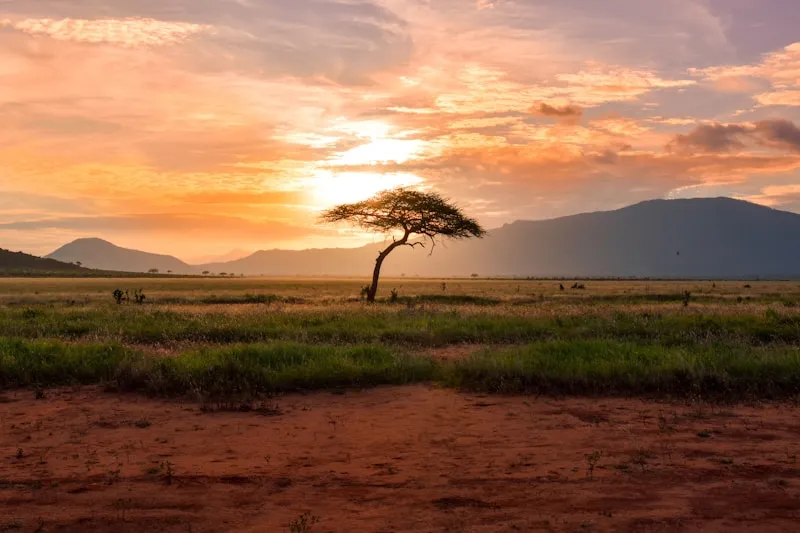
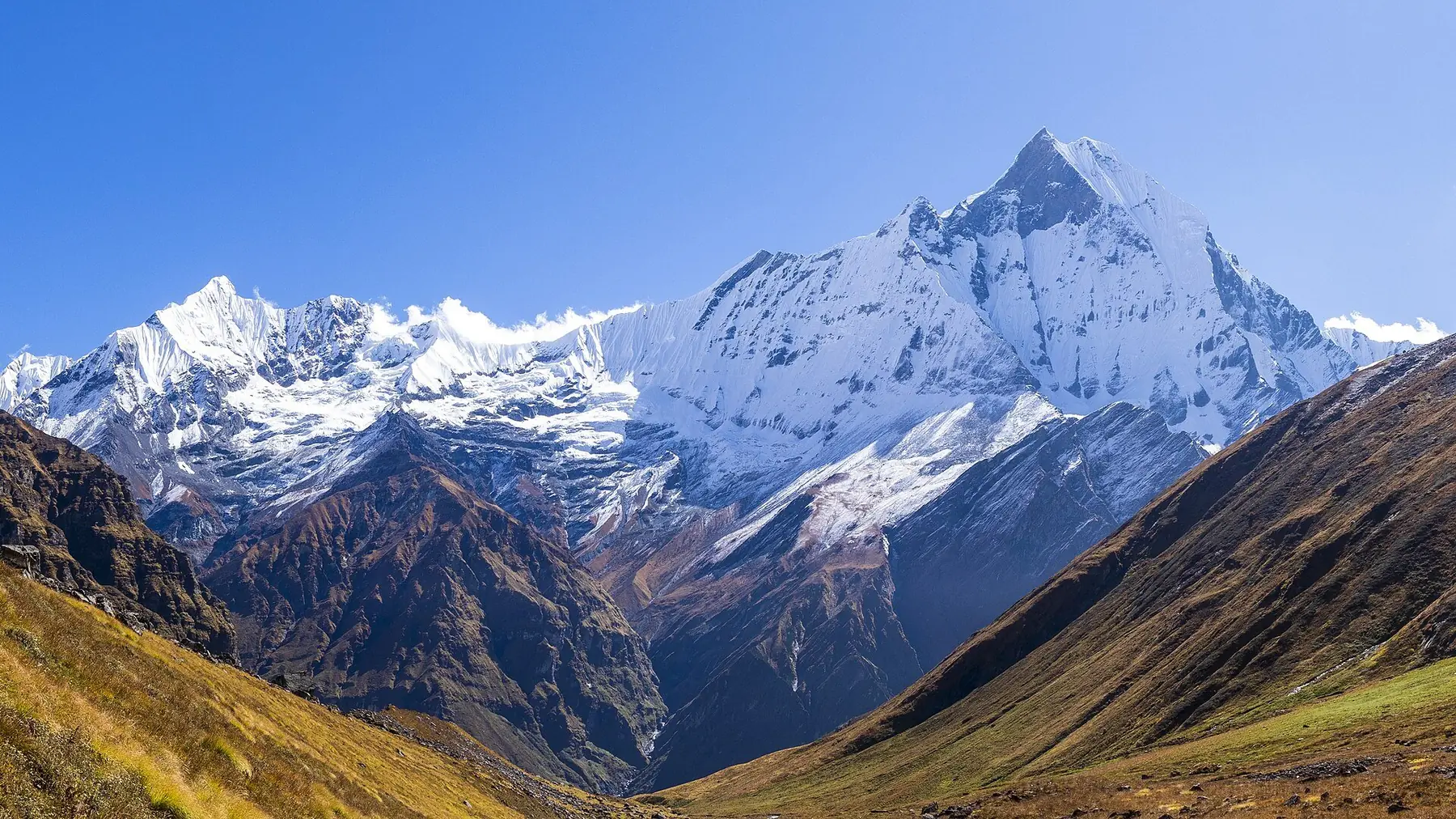
The Kathmandu Valley for its UNESCO-dense cities; Pokhara and the Annapurna foothills for lakeside calm under Machhapuchhre; the Khumbu for the great walk to the base of the world's highest mountain; Chitwan for rhino, tiger and river safari; Mustang for the walled desert city of Lo; Lumbini, the birthplace of the Buddha.
What can you experience?
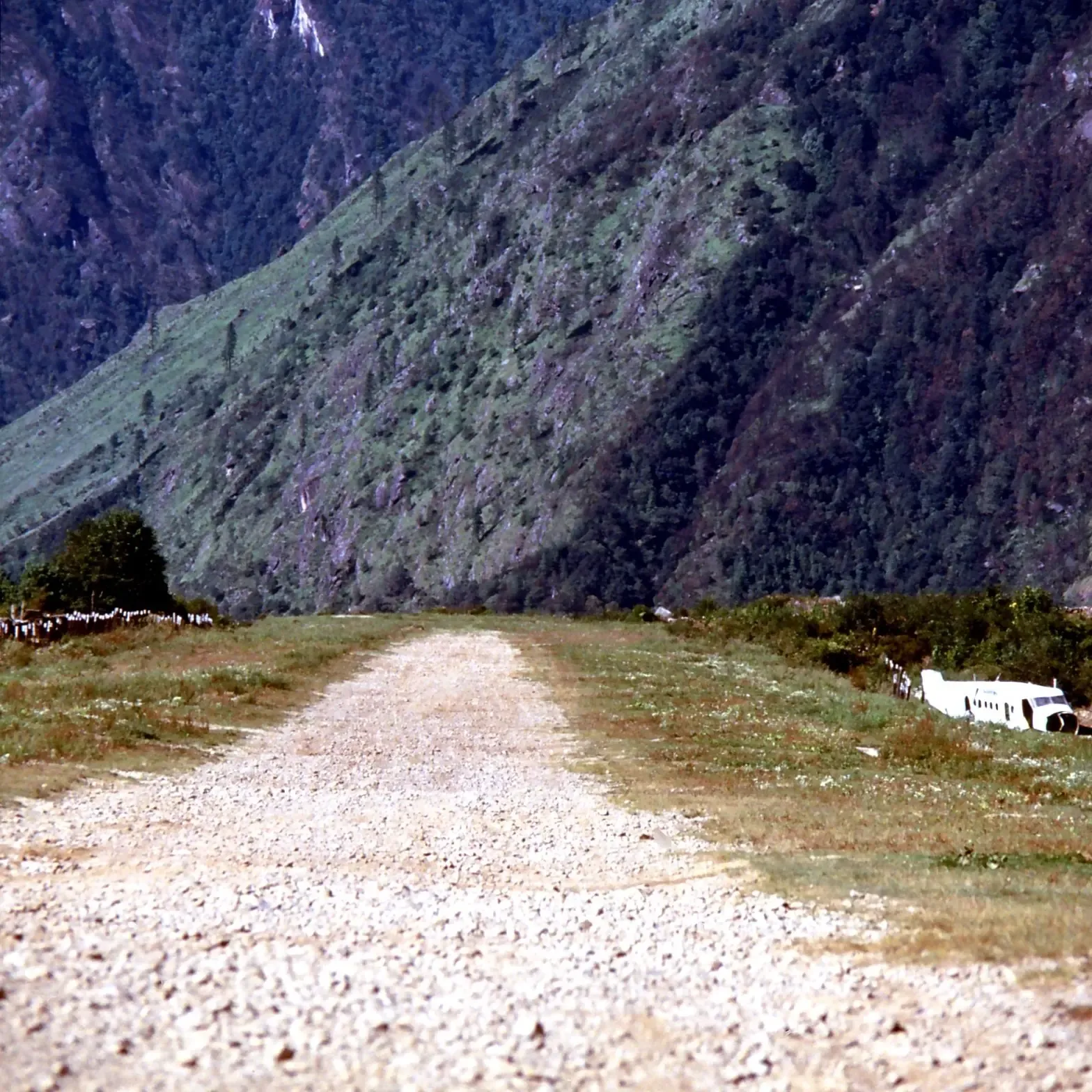
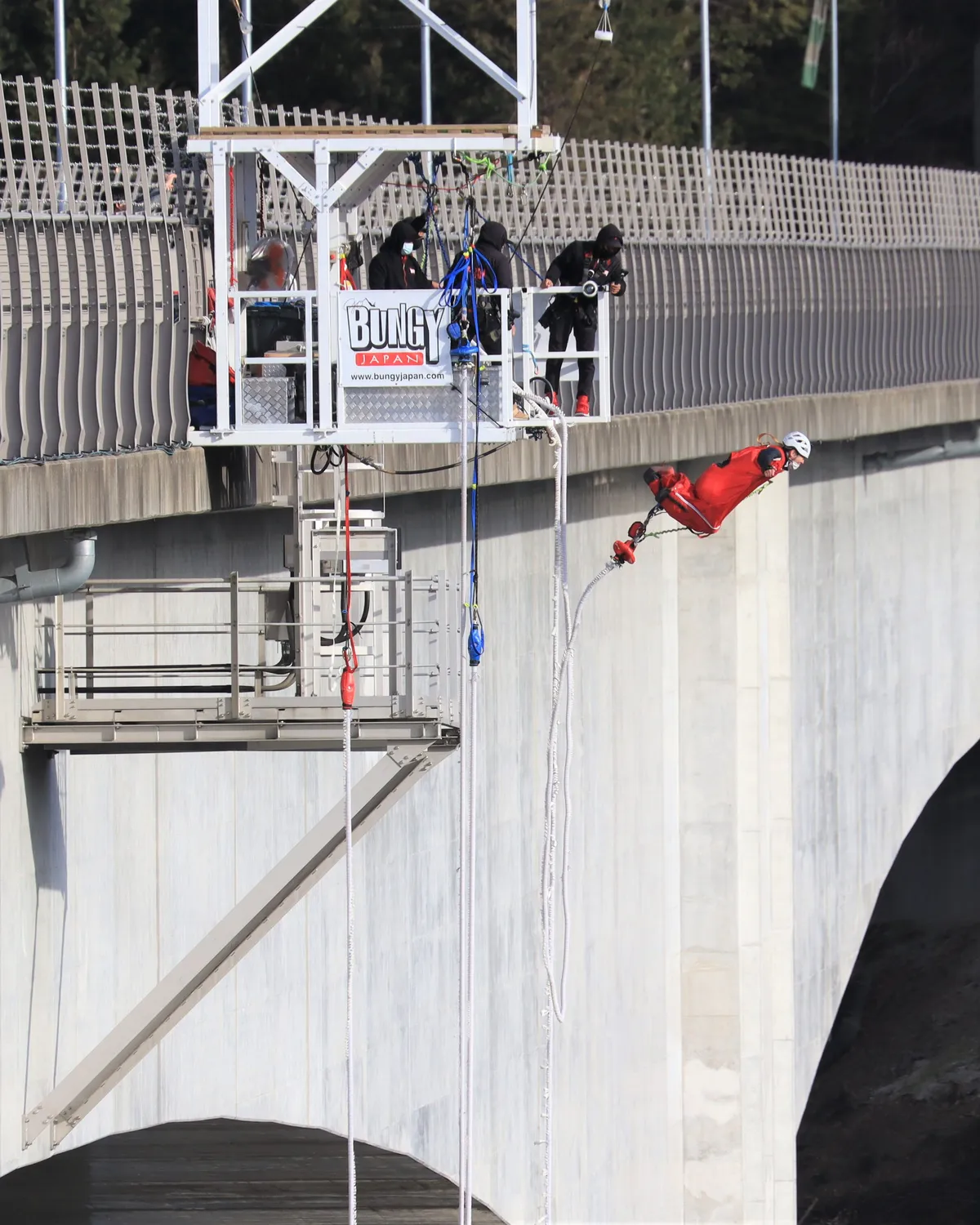
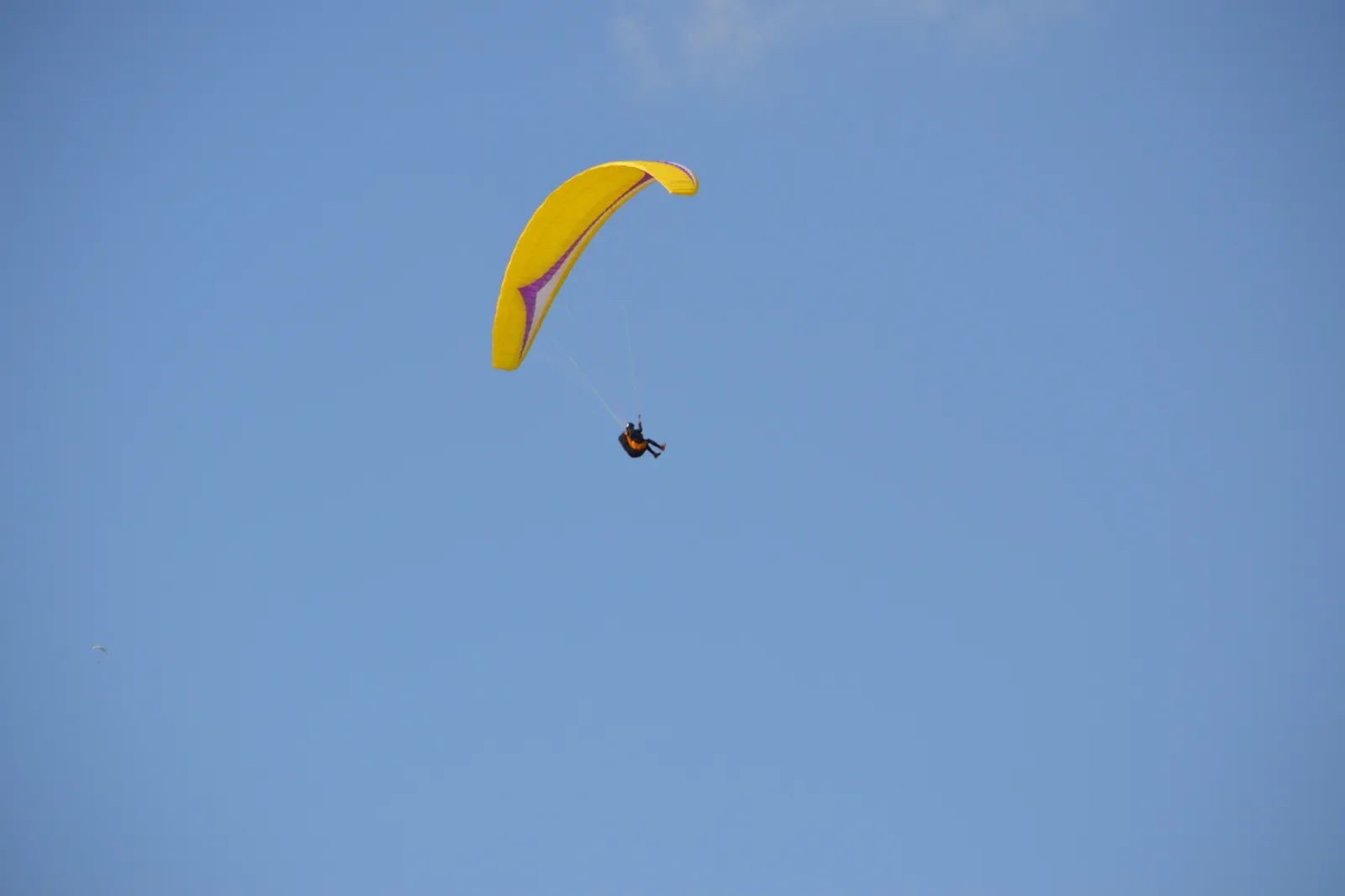
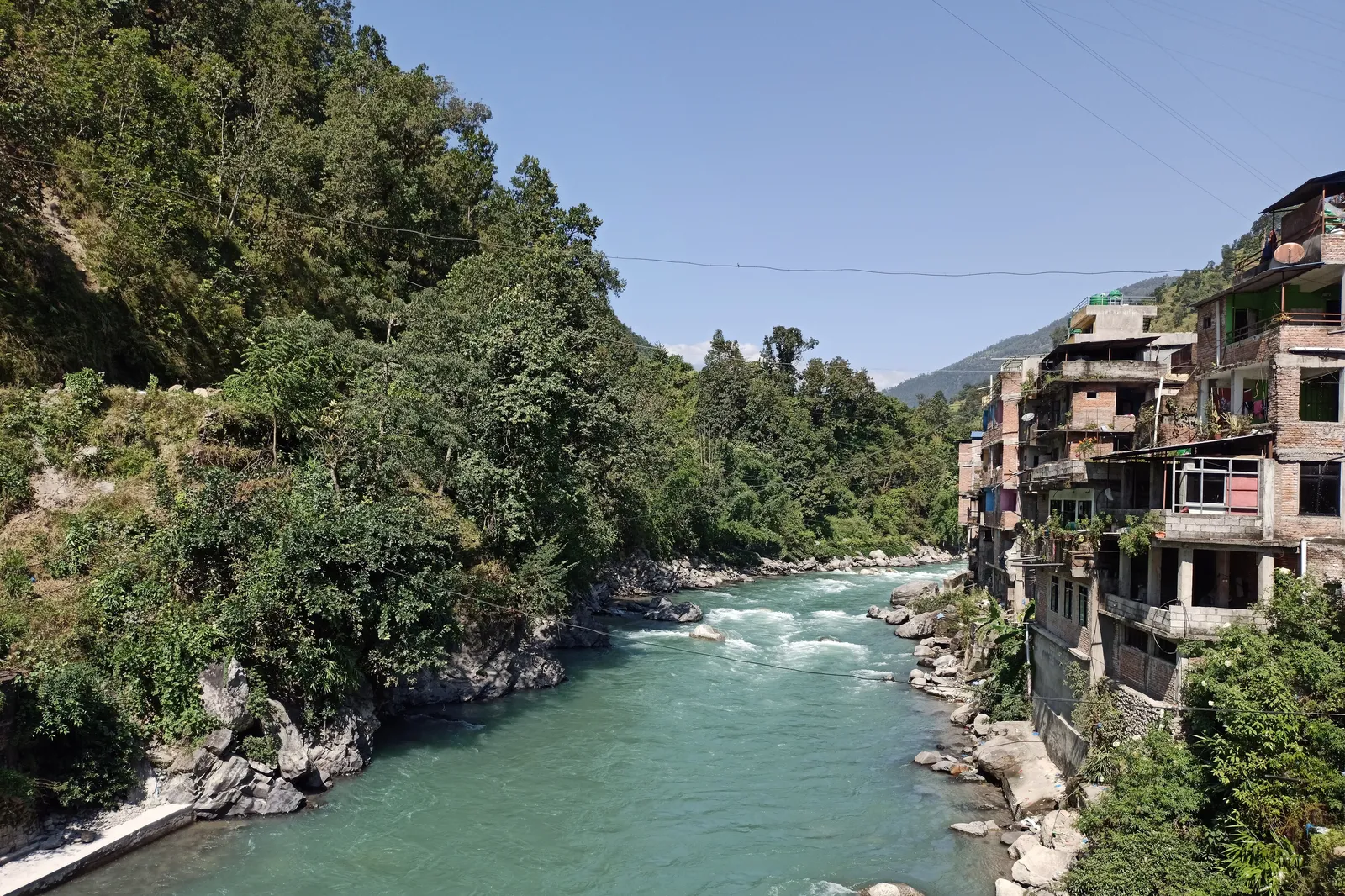
The classic Everest Base Camp and Annapurna treks, helicopter flights above the Khumbu icefall, paragliding over Phewa Lake, Grade IV rivers, jungle safaris, monastery stays, cooking classes in Newar kitchens, and peak-climbing schools for aspiring mountaineers.
When to go?
October–November for post-monsoon clarity and festival season; March–May for rhododendron bloom and climbing season; December–February for empty trails and crystalline winter light.
How long should you stay?
A first visit deserves ten days to two weeks — a valley circuit plus either a short trek or a jungle stay. The great treks ask for fourteen to twenty days.
What should you know?
Visa on arrival for most nationalities. The altitude is real — every itinerary we run includes a doctor-designed acclimatisation profile. The people you meet on the trail will be the memory you keep.
8,848 m — Sagarmatha
Highest point
10
World Heritage Sites
1,300+
Peaks over 6,000 m
WHERE SHOULD YOU GO
The Nepal atlas
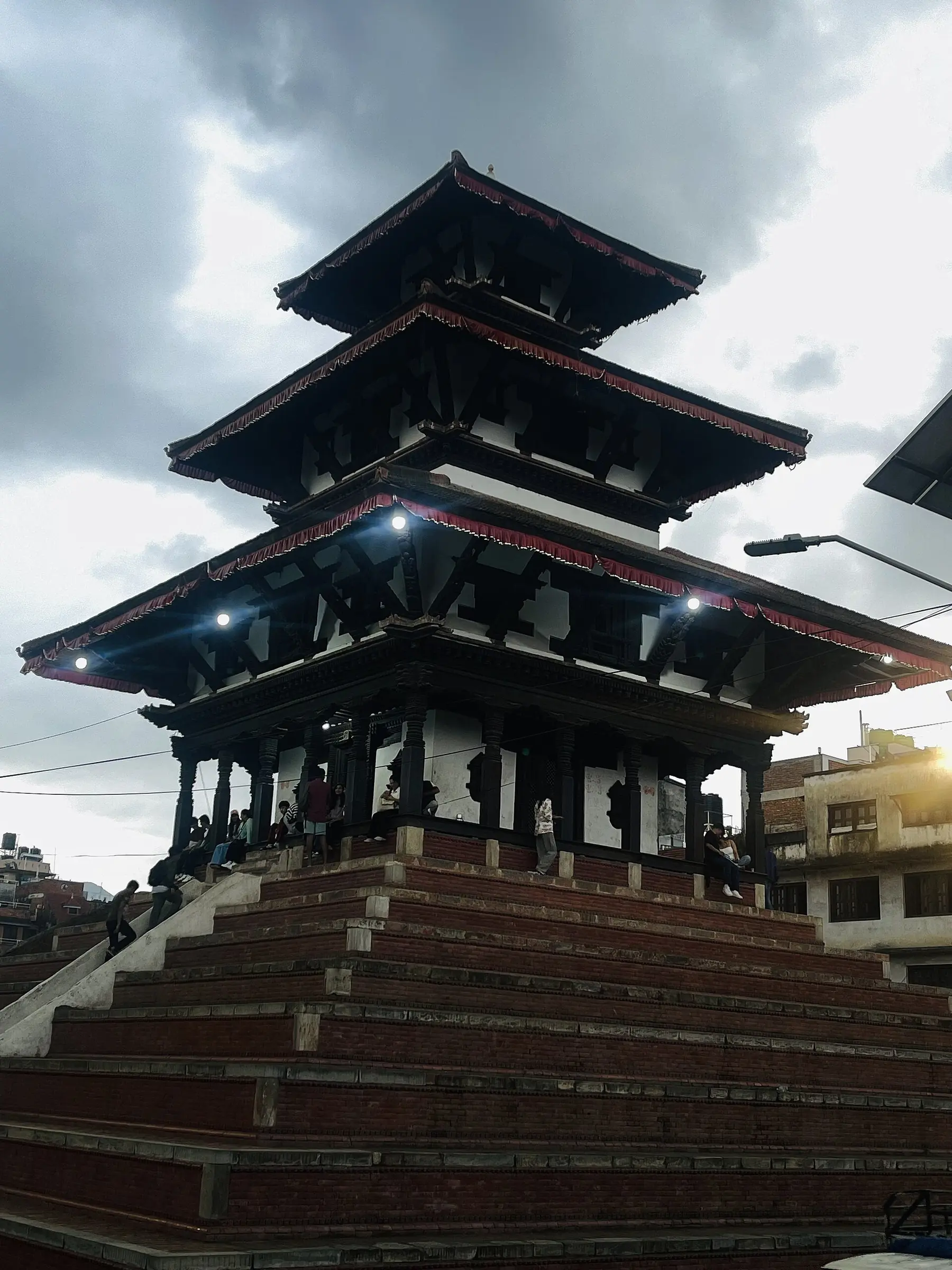
Heritage Cities
Kathmandu Valley
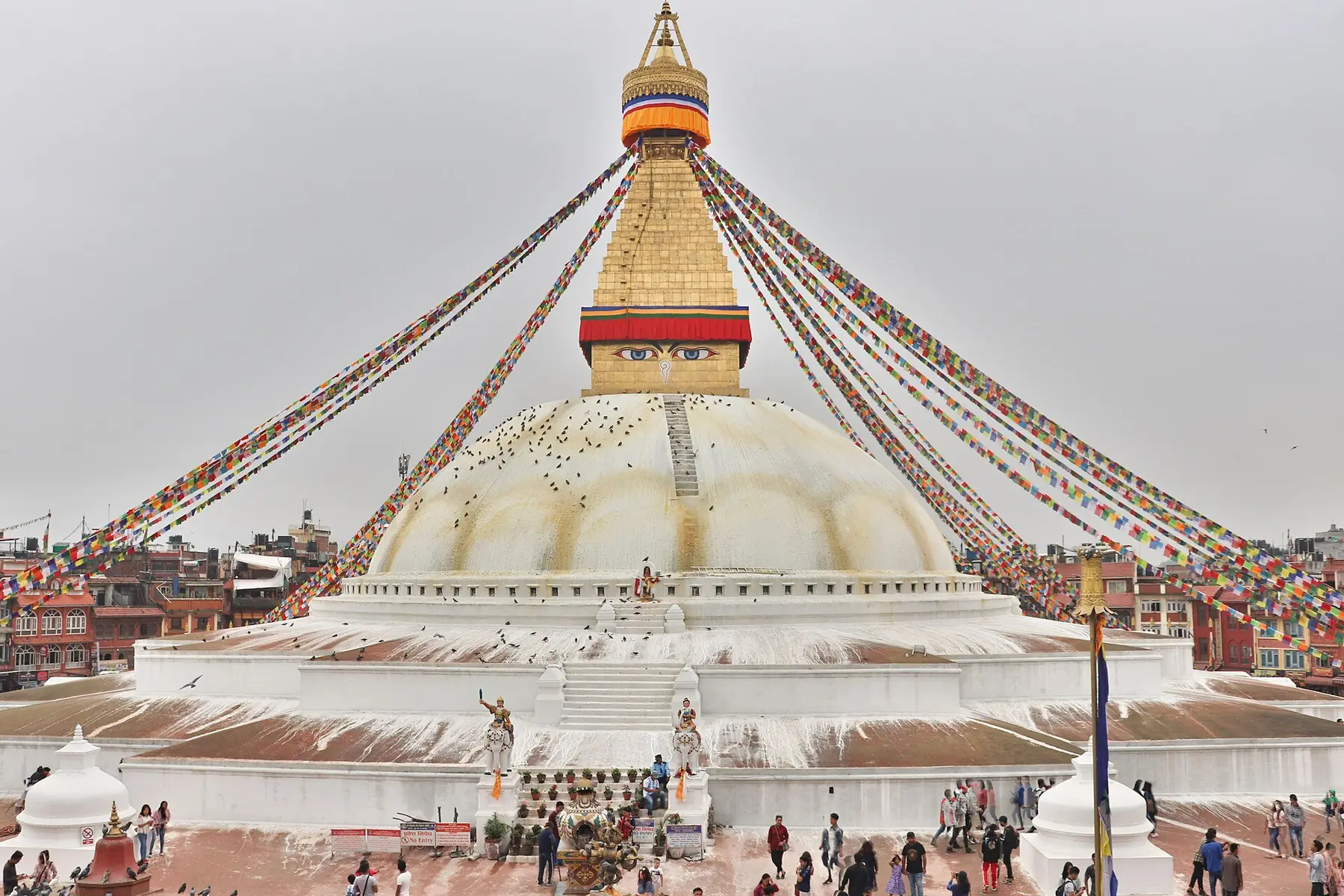
Three medieval kingdoms — Kathmandu, Patan, Bhaktapur — wrapped in brick, carved wood and living ritual.
- Durbar Squares
- Boudhanath & Swayambhu
- Patan Museum
- Newar cuisine
WHAT YOU CAN EXPERIENCE
Experiences in Nepal


JOURNEYS IN NEPAL
The journeys
WHEN TO COME
Oct–Nov
Post-monsoon clarity, festival season
Mar–May
Spring bloom, climbing season
Dec–Feb
Winter light, empty trails
GOOD TO KNOW
- Currency
- Nepalese Rupee (NPR)
- Languages
- Nepali, 120 mother tongues
- Visa
- Visa on arrival for most nationalities
START PLANNING
Every Nepal journey we build is tailored. Tell us the feeling you're chasing.
Plan this journey